Wayne Ramos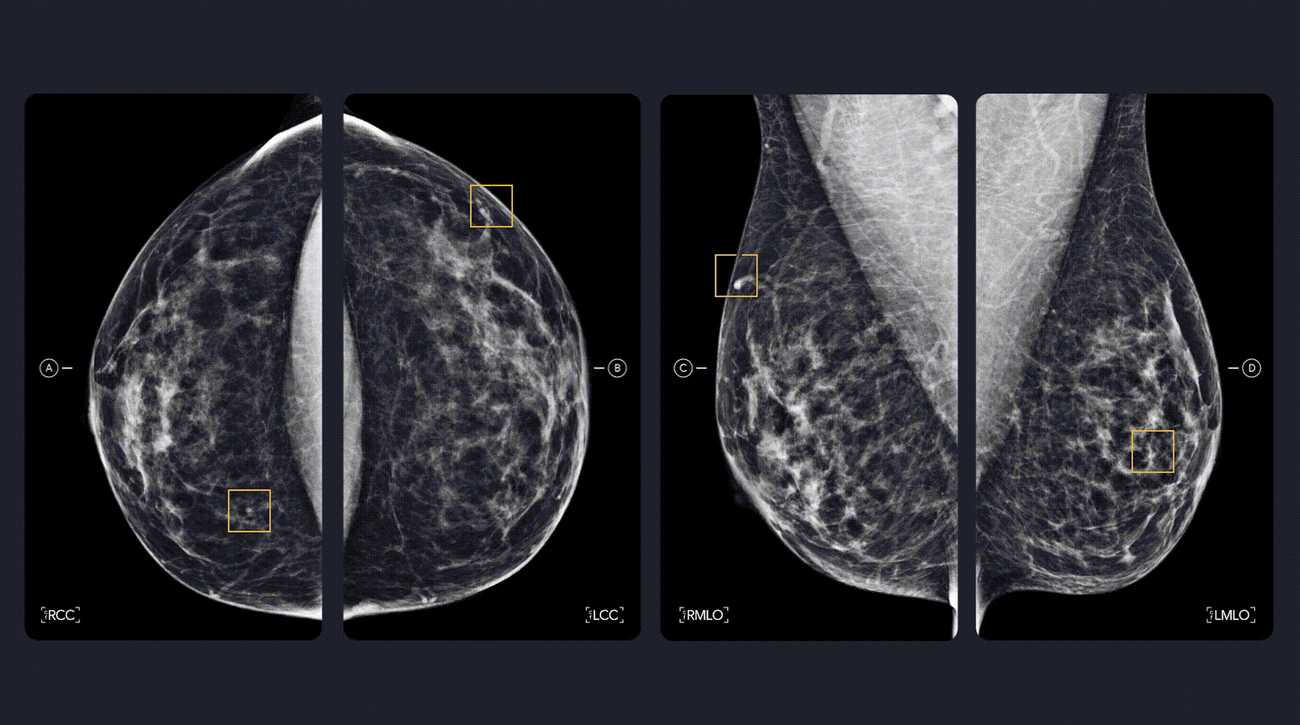
Early cancer detection is one of the most powerful tools in the fight against serious illness. When caught in its initial stages, many forms of cancer are far more treatable, with significantly improved survival rates and fewer invasive procedures. However, despite decades of medical advancement, cancer screening participation remains uneven across populations. Some people delay it due to anxiety or mistrust, while others face barriers related to access, language, or simply a lack of awareness. That’s why partners healthcare is taking action—developing new strategies to ensure more individuals receive the screenings they need, at the right time, and in a way that fits their lives.
Education as a First Line of Defense
The first step in improving screening rates is education. People can’t act on information they don’t have. A major focus has been placed on developing clear, digestible content that outlines which screenings are necessary based on age, family history, and lifestyle factors. These materials are delivered through a variety of channels—from printed pamphlets and public service announcements to digital campaigns on social media and local community forums. By meeting individuals where they are, both literally and figuratively, this initiative helps replace fear and confusion with understanding. Educational resources emphasize the simplicity and safety of screening procedures like mammograms, colonoscopies, and low-dose CT scans for lung cancer. Rather than focusing on worst-case scenarios, messaging promotes empowerment, highlighting how screenings can lead to peace of mind or early intervention when it matters most.
Removing Barriers to Access
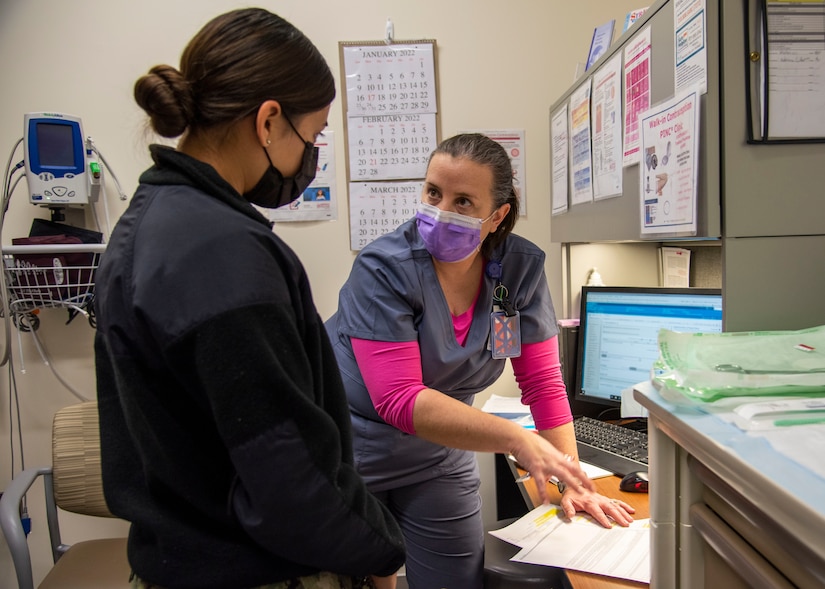
Knowing about these processes at a health care provider is one thing—being able to access them is another. Time, transportation, and scheduling all play a role in whether someone follows through with a screening recommendation. To eliminate these common barriers, several steps have been taken. Flexible hours now allow individuals to book appointments early in the morning, late at night, or even on weekends. Walk-in clinics have expanded availability, and mobile screening units now visit rural and underserved neighborhoods regularly. Online tools have also simplified the process. With just a few clicks, patients can schedule appointments, receive confirmations, and even complete pre-screening checklists from their phone or computer. This frictionless approach means fewer missed appointments and higher overall participation.
Harnessing Technology for Greater Follow-Through
Even with awareness and accessible partners healthcare, many people still forget or postpone appointments. Life gets busy, and preventive care often falls to the bottom of the priority list. To keep screenings top of mind, smart reminder systems have been implemented. Text messages, emails, and even friendly phone calls remind individuals of upcoming screenings and provide information on what to expect. These tools are also designed to improve follow-up. If a screening result requires additional testing or consultation, patients are guided through the next steps without delay. Personalized dashboards let them track their screening history and upcoming appointments, reducing stress and confusion.
Shifting the Culture Around Prevention
Another major hurdle is changing how people perceive cancer screenings. For many, they bring up fear, embarrassment, or concerns about what might be discovered. This initiative reframes screenings as a natural, routine part of caring for one’s well-being, no different than getting a flu shot or going to the dentist. By partnering with employers, religious leaders, and local influencers, the message has been amplified: screenings are a normal, necessary, and responsible choice. Testimonials from individuals who caught cancer early thanks to a simple test serve as powerful reminders of why staying current on screenings can truly be lifesaving.
Data-Driven Improvement
Behind the scenes, a robust data system helps drive every decision. Trends are analyzed in real time to identify gaps—whether that’s a specific zip code with low participation or a certain age group falling behind. Outreach teams then adjust their strategy accordingly, ensuring resources are deployed where they’re needed most. In addition, feedback loops from patients are used to improve services. Were the instructions clear? Was the location easy to access? These small details make a big difference in whether someone returns for future screenings or recommends the service to others.
Boosting these health care provider services is not just a medical challenge—it’s a community-wide mission. Through a combination of education, accessibility, personalized support, and smart use of technology, this initiative is helping more individuals detect cancer early and dramatically increase their chances of successful treatment. The results speak for themselves: stronger engagement, healthier communities, and more lives saved through the power of prevention.


 Robert Williams