Robert Williams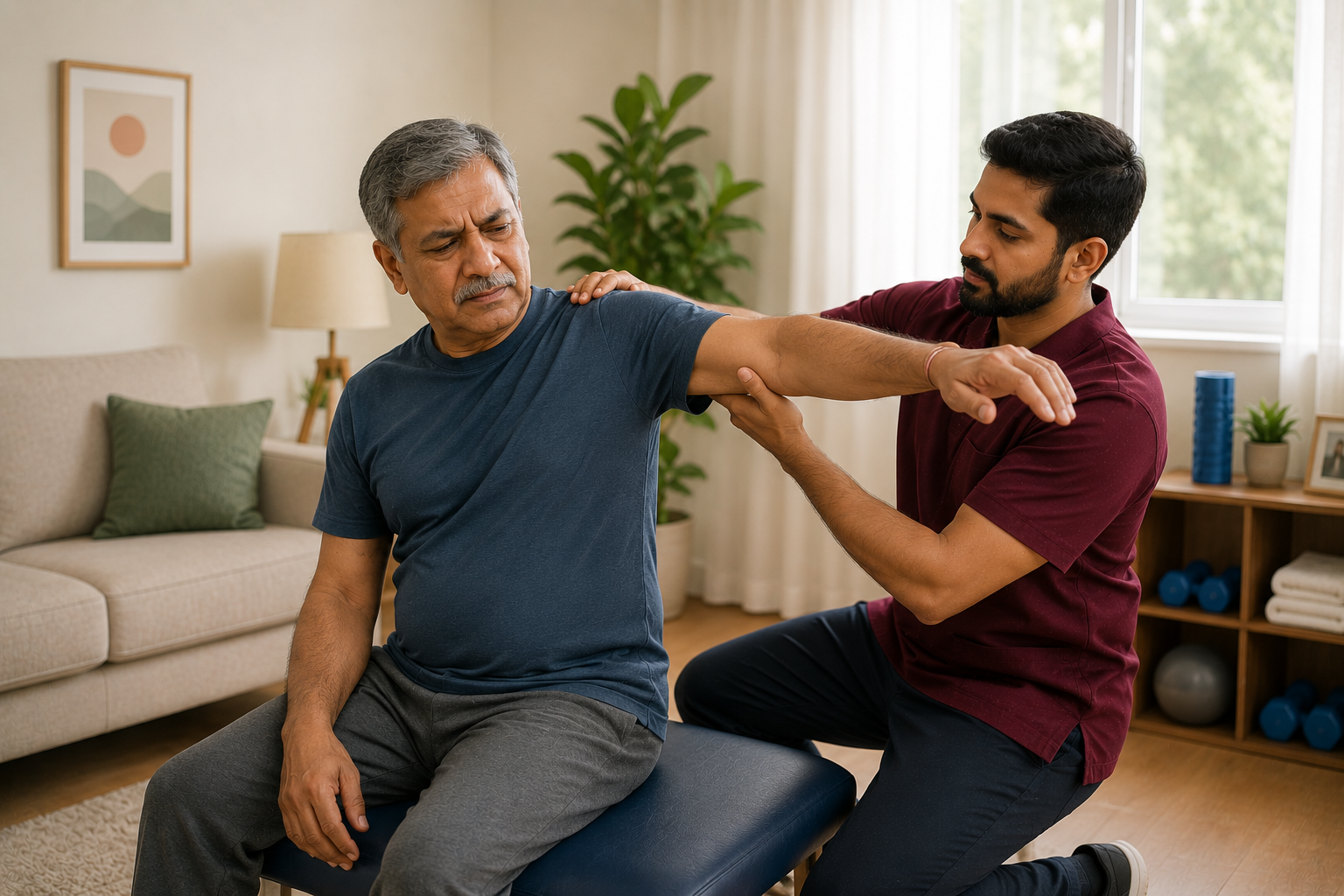
Arm weakness is one of the difficulties many people experience after a stroke. A person may find it harder to lift the arm, bend the elbow, grip objects, reach overhead, or use the affected hand for everyday tasks. For some, the arm may feel heavy or difficult to control; for others, movement may be very limited.
The extent of weakness depends on which part of the brain was affected and how severely the stroke disrupted movement pathways. Recovery also varies considerably. Some people regain useful arm function quickly, while others need longer-term rehabilitation.
Understanding what causes arm weakness after stroke and how rehabilitation approaches it can help families set realistic expectations and support recovery more effectively.
Why Does Arm Weakness Happen After a Stroke?
A stroke occurs when blood flow to part of the brain is interrupted or when a blood vessel bleeds. When areas involved in controlling movement are affected, signals between the brain and muscles may no longer travel normally.
This can lead to weakness on one side of the body, known as hemiparesis. In more severe cases, there may be little or no voluntary movement, known as hemiplegia.
Arm weakness may affect different movements, including:
- Raising the arm
- Bending or straightening the elbow
- Rotating the forearm
- Opening and closing the hand
- Holding objects
- Reaching for something
- Coordinating the shoulder, elbow, wrist, and fingers
The problem is not necessarily that the muscles themselves have suddenly become incapable of working. The brain and nervous system may have difficulty activating and coordinating them effectively.
What Does a Weak Arm Feel Like After a Stroke?
A weak arm after stroke can present differently from one person to another.
Someone may be able to move the arm but have difficulty controlling it. Another person may have enough strength to lift the arm slightly but not enough to use it during everyday activities.
Common difficulties include:
- Feeling of heaviness in the arm
- Difficulty lifting the shoulder
- Reduced grip strength
- Dropping objects
- Trouble reaching forward
- Slow or poorly coordinated movements
- Difficulty using both hands together
- Stiffness developing over time
- Reduced awareness or sensation in the affected arm
Weakness may also occur alongside changes in sensation, balance, coordination, speech, or cognition.
Why Doesn’t the Arm Immediately Return to Normal?
The nervous system needs time to recover after a stroke. Some improvement may occur as the brain and surrounding tissues recover from the initial injury. Rehabilitation then focuses on helping the person make the best possible use of the movement that remains while encouraging appropriate motor relearning.
The brain has the ability to adapt by reorganising how certain functions are performed. This process is often described as neuroplasticity.
However, neuroplasticity does not mean that every person will regain complete movement. Recovery depends on factors such as the location and severity of the stroke, initial impairment, overall health, complications, rehabilitation participation, and the individual’s response to therapy.
When Should Arm Rehabilitation Begin?
Stroke rehabilitation can begin once the person’s medical condition is stable and the treating team considers activity safe.
Early rehabilitation does not mean forcing a weak arm to move. Instead, therapists select activities according to the person’s current abilities.
At different stages, therapy may focus on:
- Maintaining comfortable joint movement
- Preventing avoidable stiffness
- Improving sitting and standing control
- Encouraging purposeful arm movement
- Developing reach and grasp
- Practising functional activities
- Increasing strength and coordination
- Using the affected arm during daily tasks
The programme should progress as the person’s abilities change.
How Can Physiotherapy Help Arm Weakness After Stroke?
Stroke physiotherapy can help address movement limitations and improve the ability to participate in daily activities.
A physiotherapist may assess:
- Muscle strength
- Joint movement
- Muscle tone
- Posture
- Balance
- Coordination
- Functional mobility
- Ability to transfer and walk
- How the affected arm is used during movement
Based on this assessment, therapy may include active exercises, assisted movements, strengthening, weight-bearing activities, balance training, and task-specific practice.
The goal is not simply to make the arm “stronger.” Good rehabilitation also focuses on how effectively the arm can be used.
Upper Limb Rehabilitation: More Than Arm Exercises
Upper limb stroke rehabilitation should address the entire movement system rather than focusing on one muscle.
For example, reaching for a cup involves much more than shoulder strength. The person needs to control the shoulder, stabilise the trunk, extend the elbow, position the wrist, open the hand, grasp the cup, and bring it toward the body.
Therapy may therefore involve activities such as:
- Reaching toward objects
- Picking up and placing objects
- Practising hand-to-mouth movements
- Folding clothes
- Holding a bottle or cup
- Using both hands during simple activities
- Supported weight-bearing through the arm
- Repetitive task practice
Functional activities can make therapy more meaningful because they connect movement practice with everyday independence.
What If the Arm Is Very Weak?
Severe weakness does not mean that rehabilitation has no role.
When voluntary movement is minimal, therapists may initially concentrate on positioning, maintaining joint mobility, preventing secondary complications, and helping the person safely participate in movement with assistance.
As control improves, the programme can gradually progress toward more active movement.
Caregivers should avoid trying to force the arm through a movement. A weak shoulder may be vulnerable to pain or injury, particularly if it is handled incorrectly during transfers.
What Happens If Stiffness Develops?
Some people develop increased muscle tone or spasticity after stroke. The arm may begin to feel tight, and the elbow, wrist, or fingers may become harder to move.
This can interfere with:
- Dressing
- Washing
- Hand hygiene
- Reaching
- Grasping
- Positioning the arm comfortably
Early recognition is useful because management can involve positioning, stretching, active movement, functional practice, and medical treatment when necessary.
Persistent or increasing stiffness should be discussed with the rehabilitation team rather than managed through forceful stretching at home.
Can the Affected Arm Be Used in Daily Activities?
Yes, when it is safe and appropriate.
One important objective of arm recovery after stroke is to gradually incorporate the affected arm into meaningful activities rather than using it only during formal therapy sessions.
Depending on ability, a person may practise:
- Supporting the arm while sitting
- Reaching for lightweight objects
- Holding an item with both hands
- Assisting with dressing
- Placing the hand on a table during activities
- Using the affected hand during simple grooming tasks
The activity should match the person’s current control and safety level.
How Long Does Arm Recovery After Stroke Take?
There is no universal recovery timeline.
Some people notice substantial changes during the early weeks and months. Others continue to make functional gains for considerably longer with ongoing rehabilitation.
Progress may also be uneven. A person might first regain shoulder movement, followed by better elbow control, and later develop more refined hand and finger movements. Someone else may follow a different pattern.
Instead of focusing only on how quickly the arm becomes “normal,” rehabilitation teams often track practical improvements such as:
- Can the person reach farther?
- Can they hold an object?
- Can they use both hands together?
- Can they assist with dressing?
- Can they position the arm independently?
- Has movement become more controlled?
These functional changes can provide a more meaningful picture of recovery.
How Can Families Support Arm Recovery at Home?
Family involvement can complement professional rehabilitation.
Caregivers can:
- Follow the prescribed exercise programme rather than introducing unapproved exercises.
- Position the affected arm appropriately while the person is sitting or resting.
- Avoid pulling the affected arm during transfers.
- Encourage safe participation in appropriate everyday activities.
- Watch for pain, swelling, increasing stiffness, or changes in movement.
- Give the person enough time to complete tasks rather than immediately doing everything for them.
- Keep the environment safe so the person can practise movement without unnecessary fall risks.
The right level of assistance is important. Too little support can create safety problems, while doing everything for the person can reduce opportunities to practise independence.
How Antara Supports Stroke Rehabilitation
Arm recovery is often only one part of a person’s rehabilitation needs after stroke. Weakness may also affect walking, balance, communication, swallowing, cognition, and the ability to perform daily activities.
At Antara Care Homes, rehabilitation is supported through a multidisciplinary team that can include doctors, nurses, physiotherapists, occupational therapists, speech therapists, and personal health assistants. Depending on individual needs, the programme may include daily physiotherapy, gait and mobility training, occupational therapy, speech and swallowing therapy, medication management, nutrition support, and regular clinical monitoring.
The rehabilitation approach focuses on individual recovery goals rather than following an identical programme for every stroke survivor. Where clinically suitable, advanced robotic rehabilitation equipment such as ExoAtlet can also be incorporated into mobility and gait-focused rehabilitation.
For families who need a structured setting after hospital discharge, combining clinical supervision, therapy, daily assistance, and a safe recovery environment can make it easier to maintain continuity of care.
Conclusion
Arm weakness after stroke can affect much more than the ability to lift an arm. It may interfere with reaching, gripping, dressing, eating, personal care, and other everyday activities. Recovery depends on the individual, and there is no single timeline or exercise programme that works for everyone.
A structured rehabilitation approach can help address weakness, movement control, stiffness, coordination, and functional use of the affected arm. With appropriate therapy, safe positioning, caregiver support, and consistent practice, many stroke survivors can work toward greater arm function and independence.
The focus should not simply be on whether the arm becomes completely normal. Every improvement in useful movement can contribute to greater independence in daily life.


 Wayne Ramos